
 Lightweight yarns can feel a little intimidating at first glance—and honestly, for good reason. Today, we’re diving into two of the most delicate yarn categories: fingering weight (super fine) and fine (sport) weight yarns.
At first, you might look at these thin strands and think, “Yeah right… how am I supposed to hold something this tiny and actually make something out of it?” Add in a small hook or fine knitting needles, and it can feel even more overwhelming. Even experienced crafters sometimes find these yarns challenging—but don’t worry, with a little patience, they can become some of your favorites to work with.
Fingering Weight (Super Fine)
Fingering weight yarn—also known as super fine—is a lightweight, typically multi-ply yarn that creates soft, delicate, and beautifully detailed projects. Because of its thin structure, it’s perfect for items that need drape and definition.
Common uses include:
- Socks
- Shawls
- Lace scarves
- Summer tops
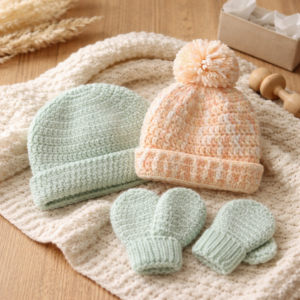
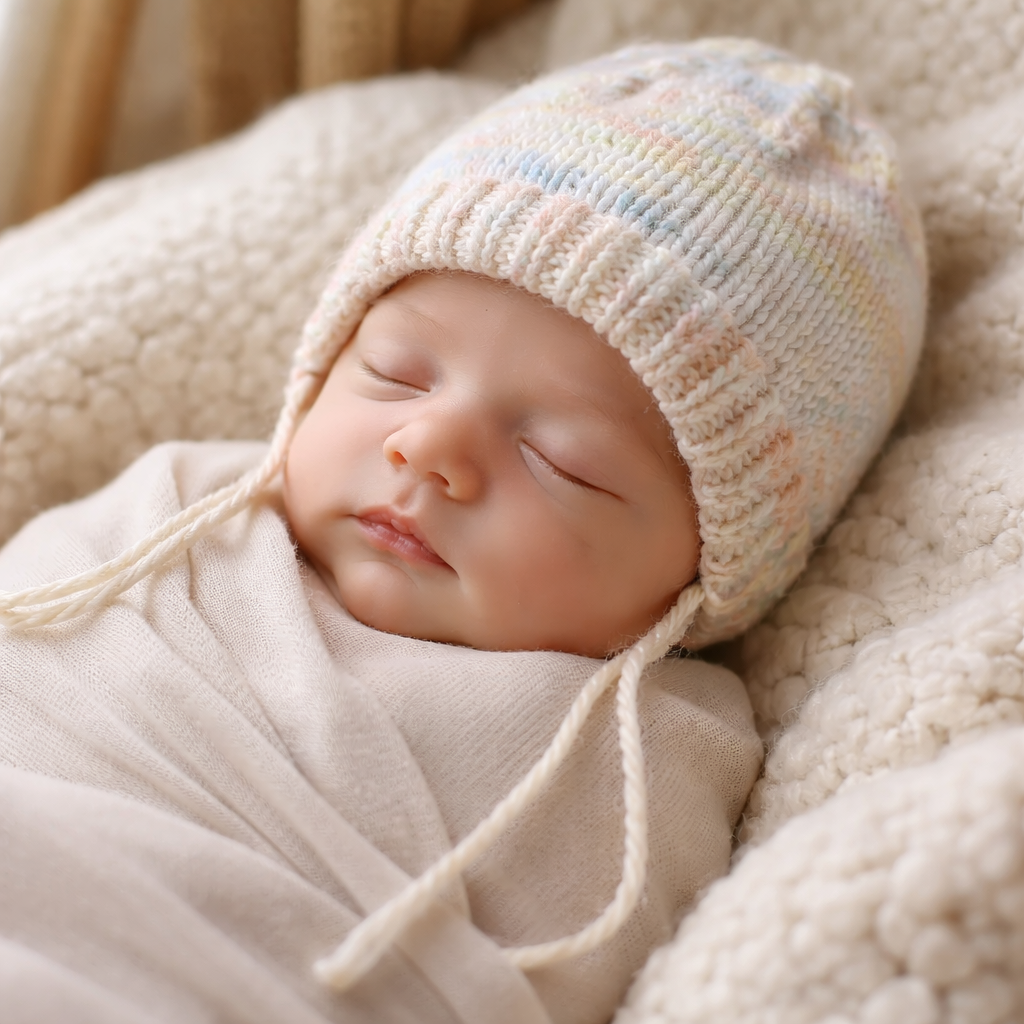
- Delicate baby clothing
- Doilies
- Jewelry
- This yarn truly shines when you want elegance and detail. It’s ideal for intricate stitches and lightweight garments that won’t feel bulky.
- Helpful tip:
Use good lighting and take breaks when working with fingering weight yarn—your eyes will thank you! - Fine (Sport) Weight Yarn
- Fine weight yarn—often called sport or baby yarn—is slightly thicker than fingering weight but still very lightweight. This makes it a great option if you want something easier to handle while still keeping your project soft and breathable.
- It’s commonly used for:
- Baby items such as booties, hats, and blankets
Home décor like coasters, table runners, and doilies
Warm-weather garments like camisoles and lightweight sweaters
Accessories such as shawls, intricate scarves, socks, and gloves - Sport weight yarn is a fantastic middle ground. It’s easier on the hands and eyes but still gives you that delicate, polished finish.
- Fingering vs. Sport: What’s the Difference?
- The biggest difference comes down to thickness and ease of use.
- Fingering weight is thinner, more delicate, and ideal for detailed work
Sport weight is slightly thicker, making it easier to handle and quicker to work up
 - If you’re just getting started with lightweight yarns, sport weight is often the better choice before moving into fingering weight projects.
- Final Thoughts
- Don’t let these lightweight yarns intimidate you. Yes, they can be a little tricky at first—but they open the door to some of the most beautiful, detailed, and wearable projects you can make.
- Once you get comfortable, you might even find yourself reaching for these thinner yarns more often than the bulky ones!
0 Comments